-

-
Corporate Capability
-
-


 中文版
中文版
Pipeline compensators are components that ensure the stable operation of pipeline systems
Release time:
2025-03-05
The working principle of pipeline compensators is mainly based on the elastic deformation of materials or the geometric deformation of structures to absorb the thermal expansion and contraction deformation of pipelines. For example, metal bellows compensators utilize the elastic deformation of bellows to absorb the axial, lateral, and angular displacement of pipelines; sleeve compensators absorb thermal elongation through the relative displacement between the core and the sleeve; and square compensators rely on the bending deformation of the pipe bends to compensate for the thermal elongation of the pipe section.
Pipeline compensators are essential components in piping systems. They primarily compensate for thermal expansion and contraction caused by temperature changes in pipelines, ensuring the safe and stable operation of the piping system.
I. Types of Pipeline Compensators
Pipeline compensators come in a wide variety of types. Based on their structure and working principles, they can be mainly divided into the following categories:
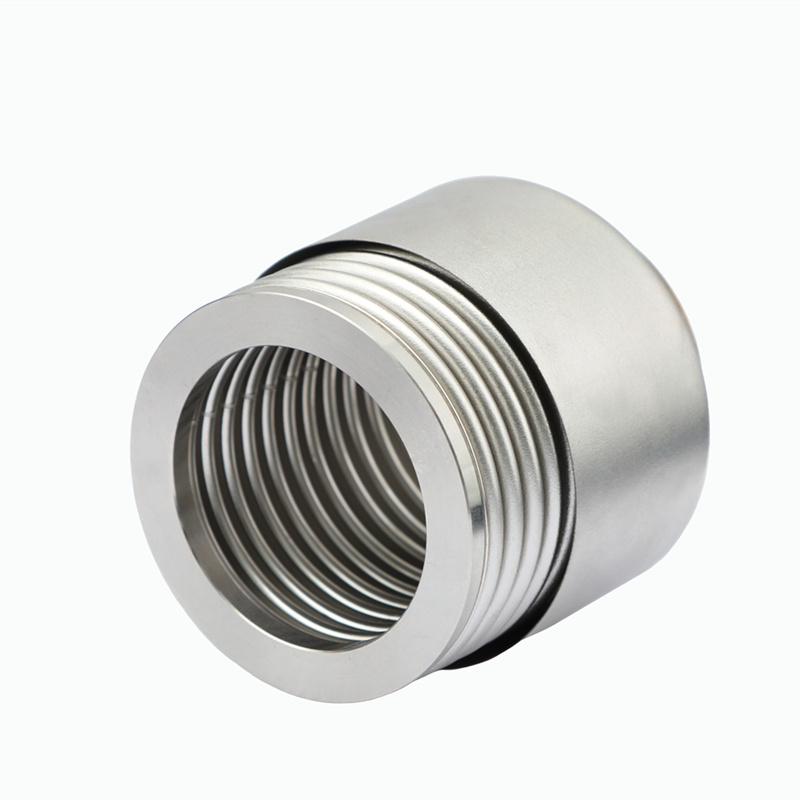
Metallic bellows compensators: These consist of bellows (an elastic element) and accessories such as end pipes, brackets, flanges, and conduits. They utilize the effective expansion and contraction deformation of the bellows to absorb the dimensional changes caused by thermal expansion and contraction in pipelines and conduits, or to compensate for their axial, lateral, and angular displacements.
Non-metallic compensators: These can compensate for axial, lateral, and angular displacements in pipelines. They feature zero thrust, simplified support design, corrosion resistance, high-temperature resistance, noise reduction, and vibration damping. They are particularly suitable for hot air ducts and dust pipes.
Sleeve compensators: Made of cast iron or steel, these are used in pipelines with different internal pressure requirements. Their compensation principle is similar to that of a pump, absorbing thermal elongation by pulling the sleeve core. A sealing material fills the space between the sleeve core and the sleeve wall.
Square compensators: Also known as U-type or π-type compensators, these are usually made by bending seamless steel pipes or using formed elbows. They rely on the deformation of the bent pipe to compensate for the thermal elongation of the pipe section.
Spherical compensators: These consist of a sphere and a shell. The sphere and shell can bend or rotate relative to each other at a certain angle for compensation. They have good sealing performance, long service life, and high compensation capacity, making them suitable for overhead installation.
II. Working Principle of Pipeline Compensators
The working principle of pipeline compensators is mainly based on the elastic deformation of materials or the geometric deformation of structures to absorb the thermal expansion and contraction deformation of pipelines. For example, metallic bellows compensators utilize the elastic deformation of the bellows to absorb the axial, lateral, and angular displacements of the pipeline; sleeve compensators absorb thermal elongation through the relative displacement between the sleeve core and the sleeve wall; and square compensators rely on the bending deformation of the bent pipe to compensate for the thermal elongation of the pipe section.
III. Selection Principles for Pipeline Compensators
When selecting pipeline compensators, the specific conditions of the piping system must be considered, such as working pressure, working temperature, medium properties, pipe diameter, and installation space. Factors such as the compensator's compensation capacity, working pressure range, working temperature range, and installation method must also be considered. Generally, compensators with simple structures, reliable operation, large compensation capacity, and small footprint should be prioritized.
IV. Role of Pipeline Compensators in Piping Systems
Pipeline compensators play a crucial role in piping systems. They not only compensate for thermal expansion and contraction caused by temperature changes, preventing pipelines from rupturing or being damaged due to excessive deformation, but also absorb equipment vibrations, reducing the impact of equipment vibrations on pipelines. They can also absorb the deformation caused by natural disasters such as earthquakes and ground subsidence, ensuring the safe and stable operation of the piping system.