-

-
Corporate Capability
-
-


 中文版
中文版
Characteristics and Applications of Armored Corrugated Pipes
Release time:
2025-01-06
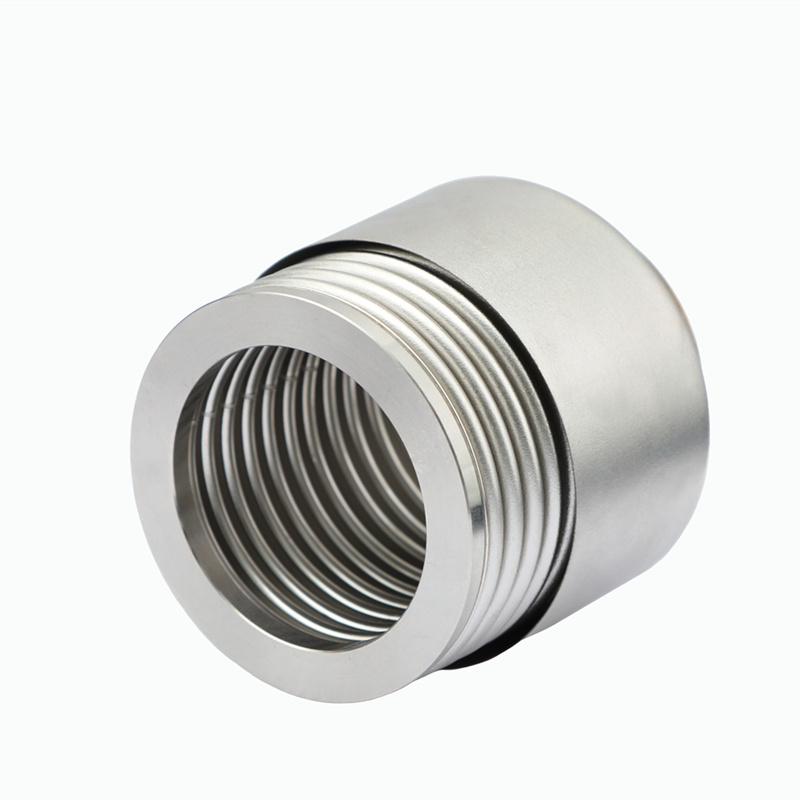
Armored corrugated tubes are mainly composed of three parts: inner tube, corrugated tube, and outer sheath (armor). The inner tube is usually used to transport fluids, such as gases or liquids. The material is determined by the characteristics of the transported medium. Common stainless steel materials have good corrosion resistance and high-temperature performance. The corrugated tube section is composed of multiple spiral corrugations. These corrugations not only increase the flexibility of the pipe but also withstand the stress and deformation generated when the pipe bends and twists.
Armored corrugated pipes, with their unique design and superior performance, are widely used in numerous industrial fields. This article introduces the structural characteristics, performance advantages, application fields, and selection considerations of armored corrugated pipes.
I. Structural Characteristics
Armored corrugated pipes are mainly composed of three parts: inner pipe, corrugated pipe, and outer sheath ( Armoring layer ) The inner pipe is usually used to transport fluids, such as gases or liquids. The material is determined by the properties of the transported medium. Common stainless steel materials have good corrosion resistance and high-temperature performance. The corrugated pipe section is composed of multiple spiral corrugations. These corrugations not only increase the flexibility of the pipe but also withstand the stress and deformation generated when the pipe bends and twists. The outer sheath ( Armoring layer ) is usually made of a metal mesh or other strong material. It is tightly wrapped around the outer layer of the corrugated pipe, providing additional protection for the pipe and enhancing its pressure resistance, corrosion resistance, heat resistance, wear resistance, and vibration resistance.
II. Performance Advantages
Good pressure resistance: The armor significantly enhances the compressive strength of the corrugated pipe, allowing it to withstand higher pressures.
Strong corrosion resistance: The inner pipe and outer sheath are usually made of corrosion-resistant materials, allowing for long-term use in harsh working environments.
Good flexibility and elasticity: The design of the corrugated pipe gives it good flexibility and elasticity, making it easy to install and adapt to various bending and cornering needs.
Wear resistance and vibration resistance: The armor improves the pipe's wear resistance and vibration resistance, extending its service life.
III. Application Fields
Armored corrugated pipes are widely used in various industries, including petroleum, chemical, construction, and power. In the petroleum and chemical industries, they are often used to transport various corrosive liquids and gases. ; In the construction industry, they can be used for pipe connections in water supply and drainage systems and HVAC systems. ; In the power industry, they can be used for cable protection and pipe connections in heat exchange systems.
IV. Selection Considerations
Determine the characteristics of the transported medium: Select the appropriate inner pipe material and corrugated pipe structure based on the chemical properties, temperature, and pressure of the transported medium.
Consider the working environment: Select the appropriate armor material and structure based on factors such as corrosion, temperature, and vibration in the working environment.
Determine the pipe size and length: Determine the diameter, wall thickness, and length of the pipe according to actual needs to ensure that it meets the requirements.
Choose a reliable supplier: Choose a supplier with a good reputation and professional technical support to ensure product quality and after-sales service.