-

-
Corporate Capability

-
-


 中文版
中文版
Maintenance and inspection of bellows accumulators
Release time:
2024-01-30
A bellows accumulator is an important component in hydraulic systems, used to store and release energy to provide auxiliary power, balance flow and pressure fluctuations, and improve system stability and reliability. To ensure the normal operation of the bellows accumulator, regular maintenance checks are required. The following are some recommended maintenance check measures:
Bellows accumulators are crucial components in hydraulic systems, storing and releasing energy to provide auxiliary power, balance flow and pressure fluctuations, and enhance system stability and reliability. Regular maintenance checks are necessary to ensure the proper functioning of bellows accumulators. The following are some recommended maintenance check measures:
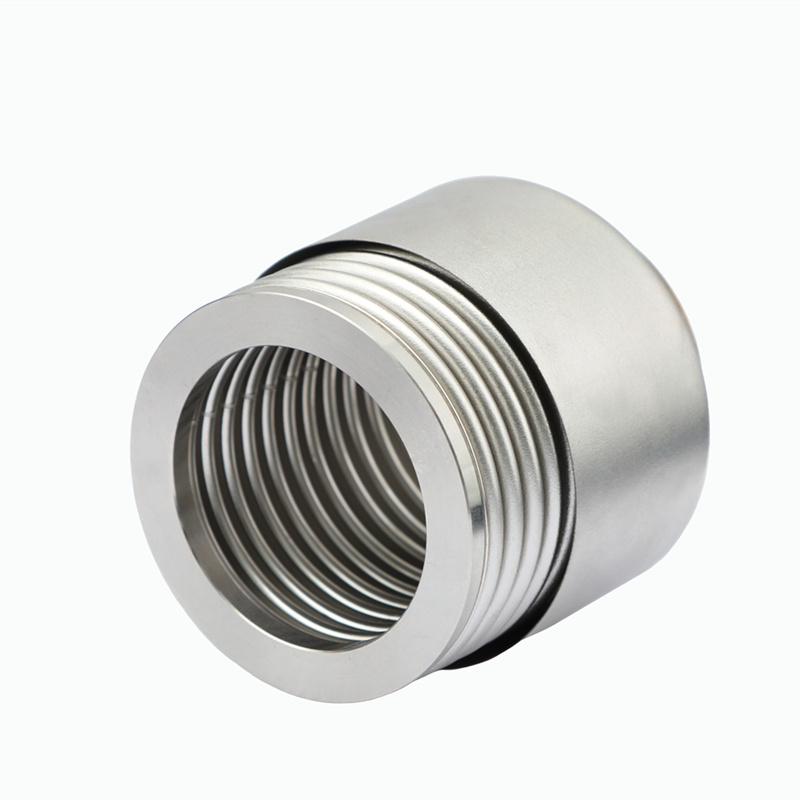
Visual Inspection: Observe the accumulator's appearance, checking for any obvious damage, deformation, rust, aging, etc. Pay attention to checking the bellows for cracks, deformation, or leaks.
Connection Point Inspection: Inspect the accumulator's connection points to the piping, ensuring that the connections are secure, well-sealed, and leak-free. For threaded connections, ensure that the threads are not worn or deformed.
Pressure Check: Check the accumulator's pressure while the hydraulic system is operating. Normally, the accumulator's pressure should match the system pressure. If abnormal pressure is detected, stop operation immediately and investigate.
Nitrogen Pressure Check: For nitrogen-charged accumulators, regularly check the nitrogen pressure. If the pressure is too low or too high, adjust it promptly.
Performance Test: Regularly perform performance tests on the accumulator to assess its energy storage capacity and response speed. Refer to the accumulator's technical specifications or manufacturer-provided data for testing.
Cleaning and Maintenance: Regularly clean the accumulator surface, removing dust, oil, and other impurities. During maintenance, you can apply an appropriate amount of lubricating grease or other protective agents to extend the accumulator's service life.
Seal Replacement: Regularly inspect and replace the seals inside the accumulator. The quality of the seals directly affects the accumulator's sealing performance and operational stability.
Hydraulic Oil Check: For accumulators using hydraulic oil, regularly check the hydraulic oil level and quality. If the oil level is too low or the oil quality deteriorates, replenish or replace the hydraulic oil immediately.
Safety Valve Calibration: For accumulators with safety valves, regularly calibrate the safety valves to ensure they function correctly at the specified pressure.
Documentation: Establish maintenance records for the accumulator, detailing the time, content, results, and measures taken for each maintenance check. This helps track the accumulator's maintenance history and develop targeted maintenance plans.
Through the above measures, the normal operation and maintenance of bellows accumulators can be effectively ensured. If problems are encountered during operation, it is recommended to consult a professional for inspection and repair.